
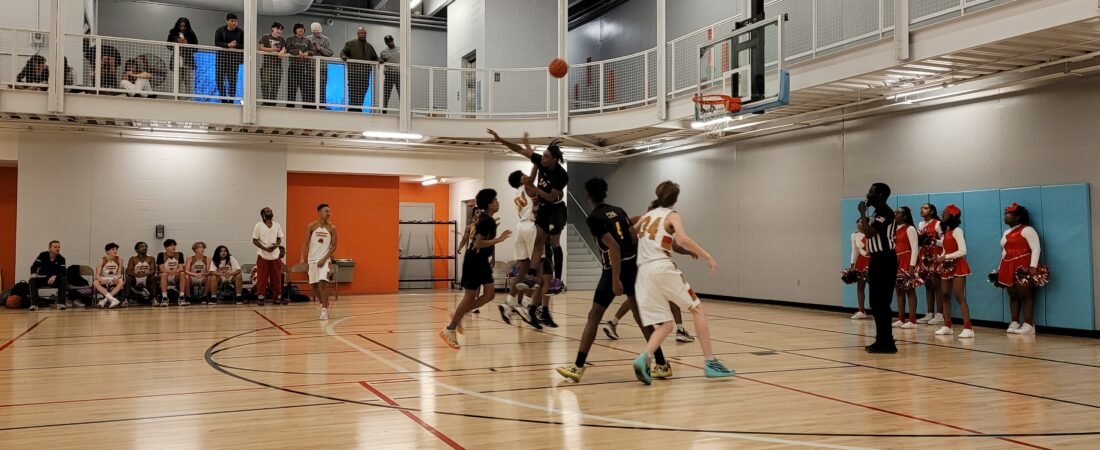
Next Gen Athlete KC Mentorship Article
The Difference Between Exposure and Readiness
Being seen is not enough. Athletes need to be ready when the right people are watching.
There is a big difference between wanting exposure and being ready for exposure.
A lot of student-athletes want to be seen. They want the highlight tape, the camp invite, the coach watching from the sideline, the social media post, the ranking, the attention, and the opportunity. There is nothing wrong with wanting to be noticed. Every serious athlete wants their hard work to open doors.
But here is the truth that every athlete and parent needs to understand: being seen is not the finish line. Being seen is only the moment when the evaluation begins.
Exposure can put eyes on you. Readiness determines what those eyes actually see.
Readiness is not a mood. Readiness is not a wish. Readiness is not something an athlete magically becomes the night before a showcase, tournament, meet, combine, or recruiting event. Ready is an action. Ready is something you build. Ready is something you practice. Ready is something you sharpen over and over again until preparation becomes part of who you are.
A student-athlete should not only be trying to get ready when opportunity appears. A serious athlete should be learning how to stay ready.
Exposure Gets You Noticed. Readiness Gets You Taken Seriously.
Exposure is visibility. It is the chance for someone important to see what you can do. It may come through a highlight video, a camp, a school game, a club tournament, a track meet, a recruiting profile, or a coach referral.
Readiness is different. Readiness is what shows up after the attention arrives.
Readiness is how you warm up. It is how you carry yourself. It is how you respond when you make a mistake. It is how you listen when a coach corrects you. It is how you compete when you are tired. It is how you communicate when someone asks you a question. It is how you handle pressure when you realize people are watching.
A coach can notice talent quickly. But coaches do not only recruit talent. They recruit habits, discipline, emotional control, academic responsibility, coachability, and consistency.
That means an athlete can have exposure and still not be prepared for the opportunity attached to it.
Ready Is an Action Verb
When people say, “Stay ready so you do not have to get ready,” it sounds simple. But for student-athletes, that statement has real meaning.
Staying ready means you are actively developing yourself even when nobody is clapping for you. It means you are training your body, strengthening your mind, taking care of your grades, learning your sport, respecting your coaches, and building the kind of habits that make you dependable.
Getting ready is what happens when an athlete realizes they have work to do and starts taking that work seriously. Staying ready is what happens when preparation becomes a lifestyle.
Readiness is not perfection. No athlete is perfect. Every athlete has areas that need growth. But readiness means you are honest enough to know where you stand and mature enough to keep developing.
Ready does not mean flawless. Ready means prepared, accountable, coachable, and willing to keep improving.
Some Athletes Want the Opportunity Before They Are Prepared for It
This is a hard truth, but it is a necessary one.
Some athletes want the attention before they have built the discipline. They want the offer before they have built the consistency. They want the coach to notice them before they have learned how to respond to coaching. They want the moment, but they have not respected the process.
That does not mean they are bad athletes. It means they are still developing. It means they need guidance, structure, and honesty.
The danger is when an athlete receives exposure too early and the wrong things get exposed.
If a coach watches and sees poor body language, that matters. If a coach watches and sees an athlete give up after one mistake, that matters. If a coach watches and sees weak conditioning, poor communication, disrespect, low effort, or unstable grades, that matters too.
Exposure does not hide what an athlete has not built. Exposure reveals it.
How Do You Know If You Are Ready?
One of the most mature things a student-athlete can do is ask, “Am I actually ready for the opportunity I keep asking for?”
That question is not meant to discourage you. It is meant to develop you.
You may be ready for more exposure if your effort is consistent even when nobody important is watching. You may be ready if your grades are stable enough that a coach does not have to worry about eligibility. You may be ready if you can receive correction without taking it personally. You may be ready if you understand that your attitude, communication, and work ethic are part of your recruiting profile.
You may also need more preparation if you only work hard when you feel motivated. You may need more preparation if your grades are constantly at risk. You may need more preparation if you shut down when corrected. You may need more preparation if your confidence disappears after one bad performance. You may need more preparation if you are talented but inconsistent.
That kind of honesty is not failure. That kind of honesty is growth.
Getting Ready Requires a Plan
Athletes do not become ready by accident. They become ready through structure.
A serious athlete needs a training plan, an academic plan, a recovery plan, a communication plan, and a recruiting plan. Those plans do not have to be perfect, but they do need to exist.
If you want to be recruited, you need to know where you currently stand. You need to know your grades, your stats, your strengths, your weaknesses, your measurements, your film quality, your competition level, and your realistic next steps.
You also need to understand that readiness includes the parts of sports that people do not always post online.
It includes sleeping enough. It includes eating in a way that supports performance. It includes stretching, lifting, conditioning, studying, showing up on time, respecting adults, learning how to introduce yourself, and being able to speak about your goals clearly.
These things may not feel exciting, but they are the foundation.
Staying Ready Builds Confidence
Confidence does not only come from hype. Real confidence comes from preparation.
When an athlete knows they have been doing the work, they walk differently. They compete differently. They recover from mistakes differently. They do not panic as easily when someone important is watching because they know they have prepared for the moment.
Staying ready gives an athlete peace.
It allows them to say, “I may not be perfect, but I am prepared. I have trained. I have studied. I have listened. I have grown. I know what I bring, and I know what I am still working on.”
That kind of confidence is powerful because it is rooted in work, not pretending.
Parents Have to Help Build Readiness Too
Parents play a major role in this process.
It is natural for parents to want their child to be seen. It is natural to want the coach, the scholarship, the offer, the recognition, and the opportunity. But parents must also help their athletes prepare for what they are asking for.
That means asking honest questions. Is my child ready academically? Are they emotionally ready? Are they mature enough to communicate with adults? Are they consistent in practice? Are they taking care of their body? Do they understand the responsibility that comes with being recruited?
Parents should not only chase exposure. They should help build readiness.
The goal is not just to get an athlete in front of a coach. The goal is to help that athlete be prepared when the coach starts paying attention.
The Athlete Who Stays Ready Becomes Easier to Trust
Coaches love talent, but they trust preparation.
A coach wants to know that an athlete can handle the next level. They want to know that the athlete can manage school, practice, travel, expectations, competition, and independence.
At the college level, nobody is going to beg an athlete to care. Nobody is going to keep reminding them to grow up. Nobody is going to build their discipline for them.
That is why readiness matters.
The athlete who has already learned how to stay ready is easier to trust. They understand responsibility. They understand preparation. They understand that opportunity is not just something you receive. It is something you must be mature enough to handle.
Final Message to Student-Athletes
Do not only focus on being seen.
Focus on becoming prepared.
Focus on becoming consistent. Focus on becoming coachable. Focus on becoming disciplined. Focus on becoming mentally strong. Focus on becoming academically stable. Focus on becoming the kind of athlete who can handle the opportunity when it finally arrives.
You do not have to be perfect to be ready. But you do have to be honest. You have to be willing to work. You have to be willing to grow. You have to be willing to develop the habits that match the dreams you keep talking about.
Exposure may help people notice you.
Readiness helps them believe in you.
And when the right people are watching, you want them to see more than talent.
You want them to see preparation.
You want them to see maturity.
You want them to see a student-athlete who has been doing the work before the opportunity ever arrived.
Next Gen Athlete KC Helps Athletes Prepare for the Moment
At Next Gen Athlete KC, we believe recruiting is not just about exposure. It is about preparation, discipline, development, academics, confidence, and building a recruitable story that coaches can trust.
If your athlete is ready to grow beyond talent and start preparing with purpose, this is where the work begins.
Visit Next Gen Athlete KC